In more detail
Water hammer is the bang you hear when fast-moving water is stopped suddenly by a valve closing quickly.
High mains pressure makes it worse, and pressure varies a lot across Sydney depending on how high or low your property sits.
Repeated hammer strains joints, hoses and valves, and Sydney Water says high pressure can lead to broken pipes and leaks.
The usual fixes are a pressure limiting valve, water hammer arrestors near appliances, and proper pipe clips.
Not every noise is hammer. Rattles, ticking hot pipes and a rumbling hot water unit each have their own causes.
What water hammer actually is
Water in your pipes is heavy, and at mains pressure it moves quickly. When a valve snaps shut, all that moving water has to stop in an instant. Its momentum turns into a spike of pressure that races back along the pipe and slams into bends, tees and fittings. If the pipe can move, it jumps against a joist or a wall and you hear a bang, sometimes a single thud, sometimes a short burst of knocks as the wave bounces back and forth. The pipe isn't loose because it is old. It is being hit from the inside.
The usual triggers
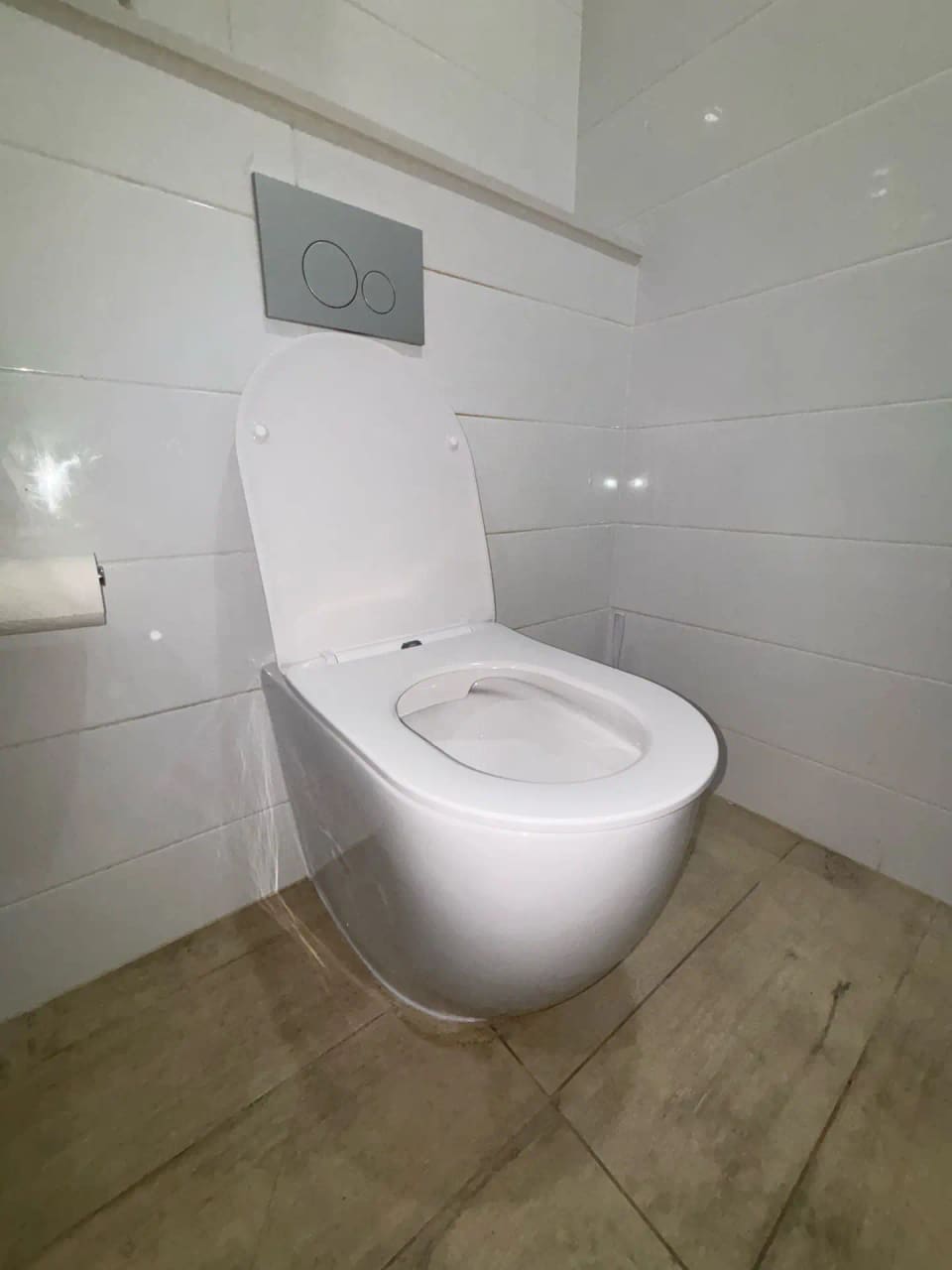
The worst offenders are valves that close faster than a hand ever could. Washing machines and dishwashers fill through electric valves that shut in a blink, which is why the bang often comes mid-cycle with nobody near a tap. Single-lever mixers flicked off with the back of a hand do the same thing. A toilet cistern inlet valve that snaps shut as the cistern fills can set off a knock after every flush, and a worn one can chatter as it closes. Long straight pipe runs, pipes clipped loosely under the floor and old galvanised sections all make the noise louder.
A plumber answers 24/7. We find the cause and put a fixed price in writing before we start.
Why Sydney's mains pressure matters
The harder the water is pushing, the bigger the spike when it stops. Sydney Water says most properties receive between 15 and 65 metres head of pressure, the network average is 52 metres head, and some customers get more than 100. Your share depends on how far you are from the reservoir and how high your property sits compared with it. Homes in low-lying streets get higher pressure, and those on ridges get less, which is why two houses in the same suburb can behave very differently. Sydney Water also notes that high pressure can lead to breaks in water pipes and cause leaks.
Noises that aren't water hammer
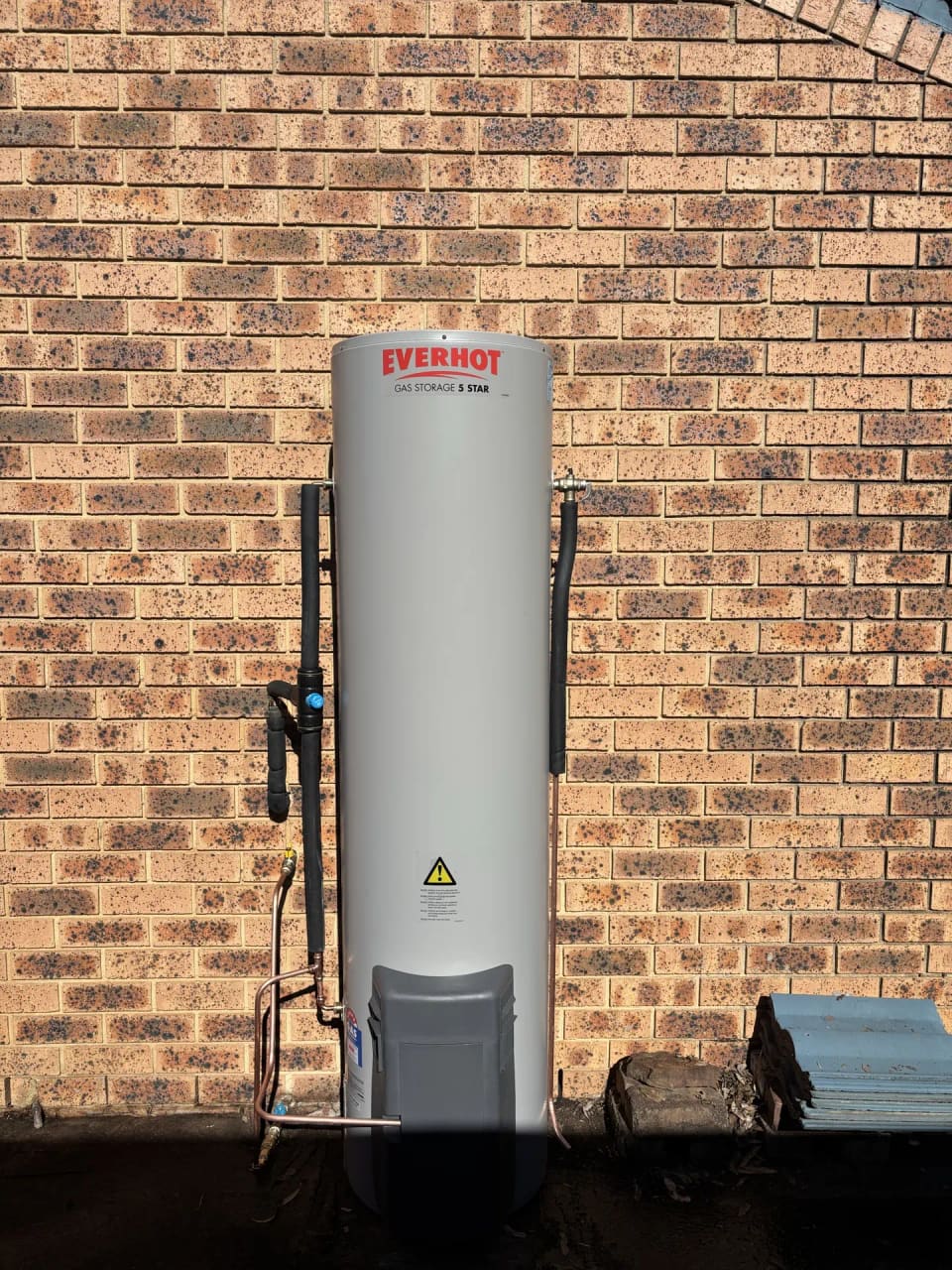
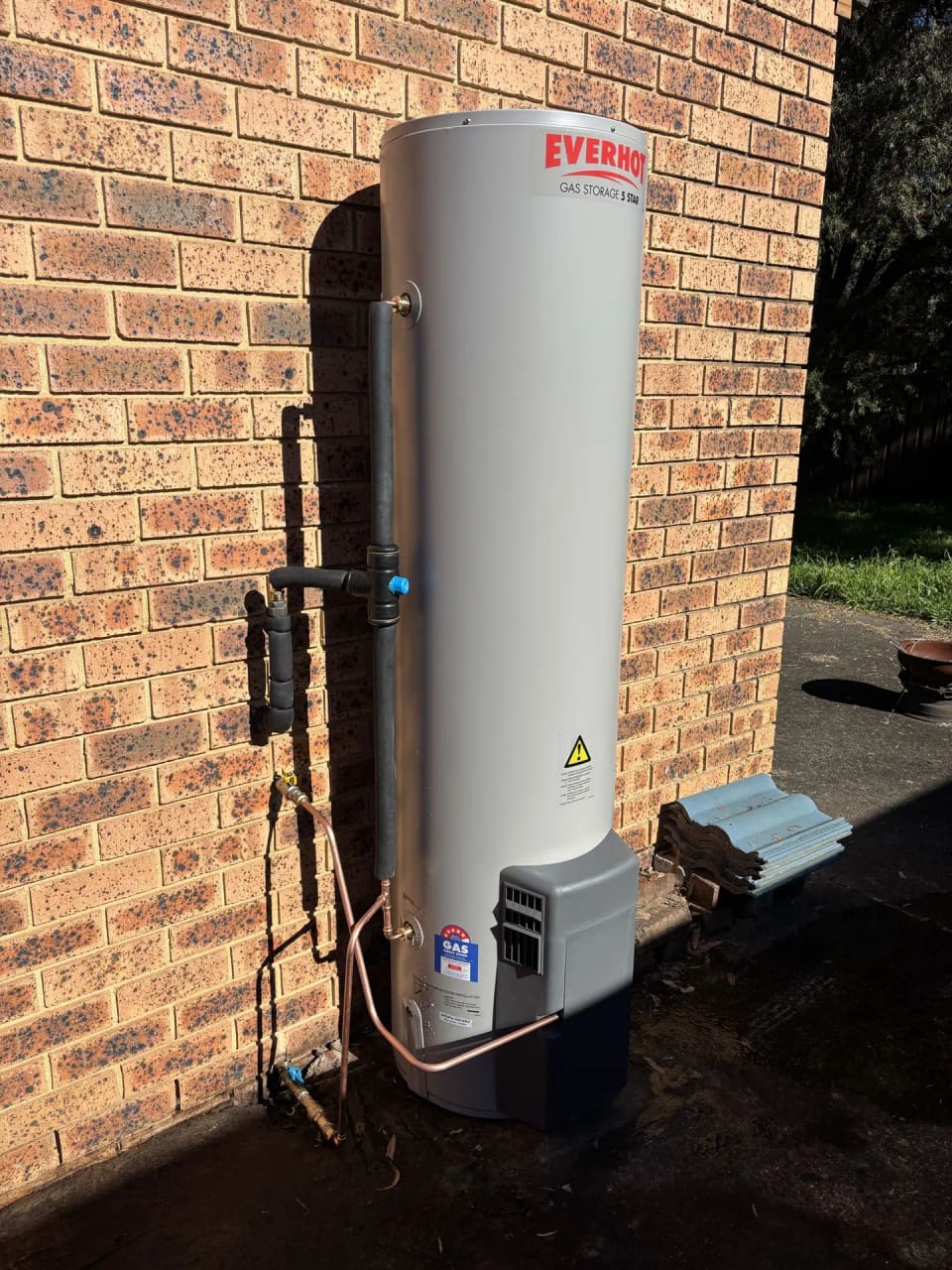
A rattle or hum while water is running usually means something is vibrating in the flow: a worn tap washer, a loose jumper valve, or a pipe resting against something it shouldn't. Ticking and creaking in hot water pipes as they warm up and cool down is the copper expanding and sliding in its clips. A storage hot water unit that rumbles, pops or bangs while it heats is a separate issue inside the tank and worth having checked, as is a relief valve on the unit that drips constantly. Telling these apart is the first job, because each one has a different fix.
Why it's worth fixing
One bang won't hurt anything. Thousands of them, every time the dishwasher fills, keep hitting the same joints, flexible hoses and valves. Flexi hoses under sinks and basins, tap cartridges, cistern valves and hot water valves all take the knock, and the weakest one gives first. When it does, it is usually a leak in a cupboard or a wall, which is a much bigger job than quietening the pipes would have been.
What you can safely check
Note which fixture or appliance sets it off and when. Close mixers gently for a week and see if the bang goes away. Listen for the noise with every tap and appliance off, because a pipe that knocks or hisses when nothing is running needs a different look, and Sydney Water's meter test is a simple way to check for a leak: turn everything off, note the meter reading, use no water for an hour and check again. Beyond changing a tap washer, plumbing work in NSW legally needs a licensed plumber, so leave valves and pipework to us.
How it gets fixed
We start by measuring the pressure coming in. If it is high, a pressure limiting valve after the meter brings the whole house down to a comfortable level, which quietens the hammer and takes strain off every fitting. When a hot water system is installed, AS/NZS 3500.4 requires the inlet pressure to be tested and a pressure limiting valve fitted where needed, because without one excess pressure can make the relief valve fail or the tank leak. Where a particular appliance is the trigger, a water hammer arrestor fitted close to it absorbs the spike. Loose pipes get proper clips so they can't jump, and worn washers, cartridges and inlet valves are replaced. You get the price in writing before work starts. See our leaks and pipes service for pipe repairs.
Leaks and pipe repairs
If a pipe knocks or hisses when nothing is running, or you find a leak, see our leaks and pipes service.