In more detail
Start with the simple checks: the tap at the water meter fully on, and the valves feeding the hot water system fully open.
Low pressure at one tap is usually that tap: a clogged aerator, a kinked hose or a worn cartridge. Low pressure everywhere points to the supply.
Sydney Water's bucket test: with everything else off, run the front garden tap fully for one minute. At least 18 litres means you are getting at least its 15 metre minimum.
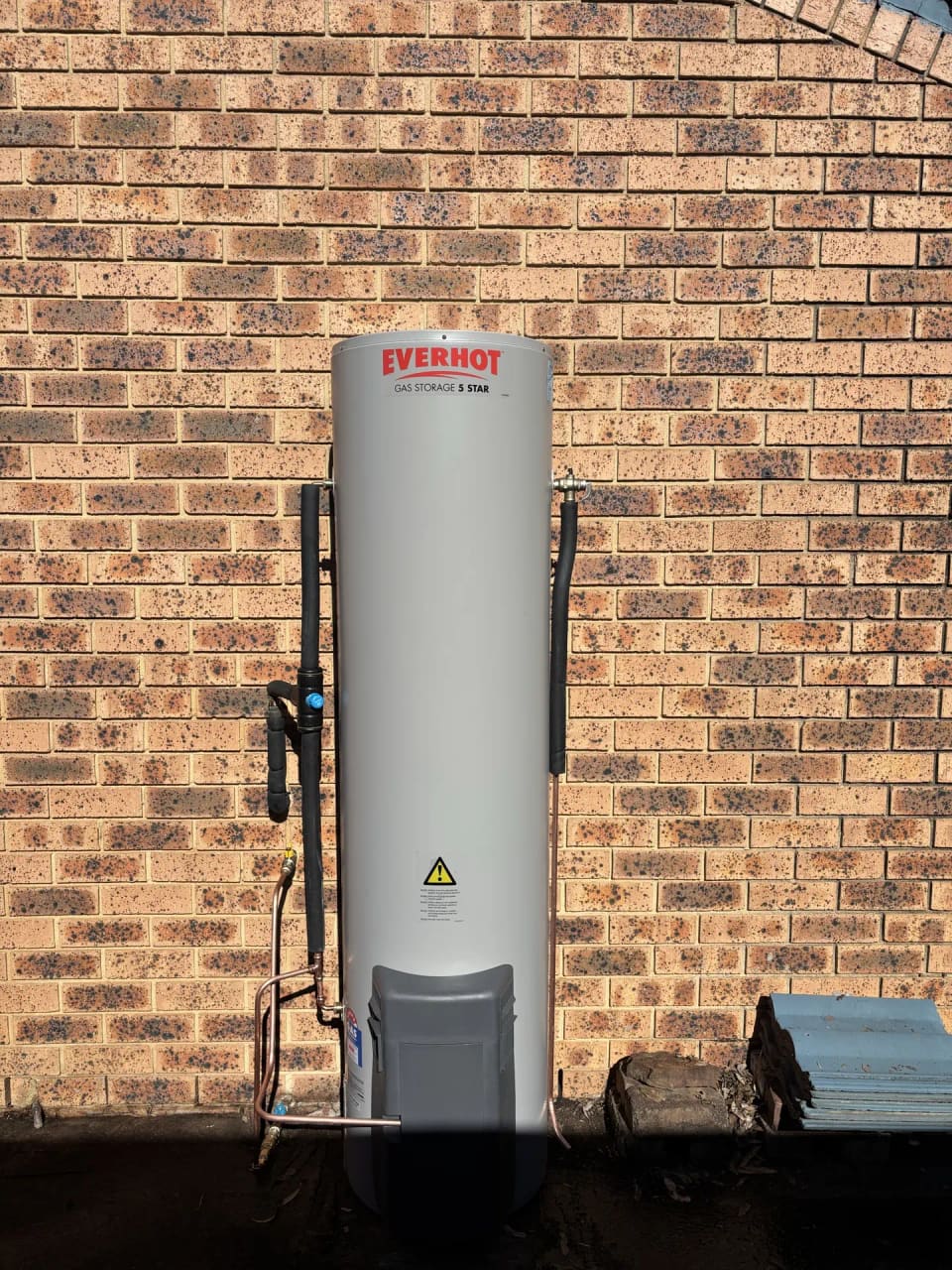
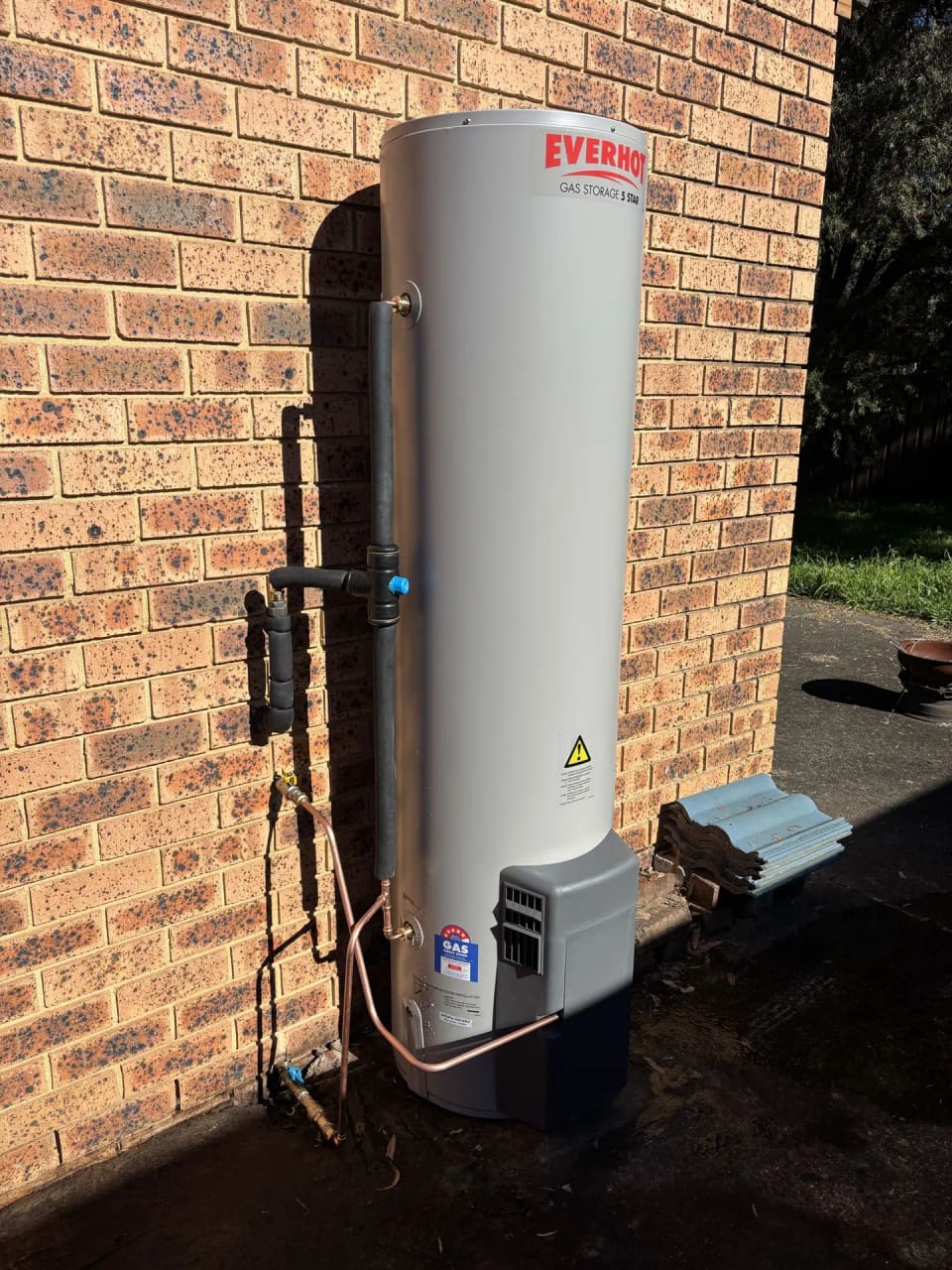
Weak hot water with strong cold usually points to the hot water system, its valves or a tempering valve.
Corroded galvanised pipe, a failing pressure limiting valve and hidden leaks are common causes a plumber finds.
The two checks Sydney Water suggests first
- Confirm the tap at the water meter is fully on and the valves feeding the hot water system are fully open.
- Work out whether the weak flow is at one tap or across the whole house.
Measure it with a bucket
Sydney Water has a simple pressure test. Turn off every other tap and appliance, then fully open your front garden tap for one minute. If you get 18 litres a minute or more, you are receiving at least 15 metres head, which is the minimum its Operating Licence requires at the point of connection. A big bucket and a phone timer is all it takes. If the front tap passes and the house is still weak, the problem is inside your property. If it fails, the supply or the meter end is the place to look.
Why where you live matters
Pressure across Sydney varies a lot. Sydney Water says most properties receive between 15 and 65 metres head, with a network average of 52. What you get depends on how far you are from the reservoir and how high your property sits compared with it. Homes on ridges and hilltops get less pressure, and homes in the valleys below get more. A house at the top of a steep street can have a real case of low pressure even when nothing is wrong with the plumbing.
Common causes inside the house
At a single tap, the usual culprit is the aerator on the spout, clogged with grit or scale. Cleaning it is a simple job. After that come kinked or failing flexible hoses under the sink, a worn mixer cartridge, and an isolation valve left half closed after a repair. Across the whole house, look at the pipe itself. Old galvanised steel corrodes from the inside and narrows until it barely passes water, and Sydney Water notes corroded galvanised pipes may not cope well where supply pressure has been reduced. A pressure limiting valve that is failing can choke the supply instead of just trimming it. A backflow device normally reduces pressure once installed, which is why plumbers must check pressure and flow first and tell you in writing about any loss.
When only the hot water is weak
Strong cold and weak hot points to the hot water side. The valve feeding the hot water unit may be partly closed or failing. A tempering valve with a blocked strainer can throttle the hot to the bathrooms. A continuous flow unit that fires up and then drops pressure after a few seconds may be struggling with the flow it is getting, and Sydney Water notes some instantaneous hot water systems don't work as well with reduced pressure. Hot water pipes are also where old galvanised steel tends to clog first.
How we track it down
We measure the pressure at the meter and at the problem fixture, test the flow, and work back along the pipe to where it drops. Pressure valves get checked, old pipe gets looked at, and if a leak is the cause, acoustic listening gear, thermal imaging and tracer gas mark the spot before anyone digs. Every truck carries copper, PEX and poly fittings, so a failed section is usually replaced on the same visit. You get the price in writing before work starts, and there is a $0 call-out on any job you book.
More on pipes & pressure
If the cause is a hidden leak or corroded pipe, we find the spot before anyone digs and give the price in writing before work starts.