In more detail
The water meter tells you whether there is a leak at all: everything off, note the dial, use no water for at least an hour, then check it again.
Toilets are the most common silent leak, and a piece of dry toilet paper at the back of the bowl will catch one.
Turning off one part of the house at a time, toilets, irrigation, then hot water, narrows the search without opening anything.
If the dial still moves with everything isolated, the leak is buried or inside a wall and needs a plumber with detection gear.
Finding the leak is homeowner work. Fixing a pipe is licensed work, since an owner can legally do only minor jobs like changing a tap washer.
Steps 1 to 3: the meter test and the toilets
These are safe steps a homeowner can take. If any of the signs under 'When to stop and call' apply, stop and call.
1 Turn off everything that uses water Every tap, the dishwasher, the washing machine, the irrigation controller, drip systems, the pool or pond top-up, a fridge with a water line, an evaporative cooler. Leave the tap at the meter turned on, because the test needs water able to flow.
2 Note the dial, wait, then check it again Find the meter near the front of the property, photograph the numbers, and make sure nobody uses water for at least an hour. Overnight is better. If the numbers have changed, you have a leak, and the bigger the change the bigger the leak.
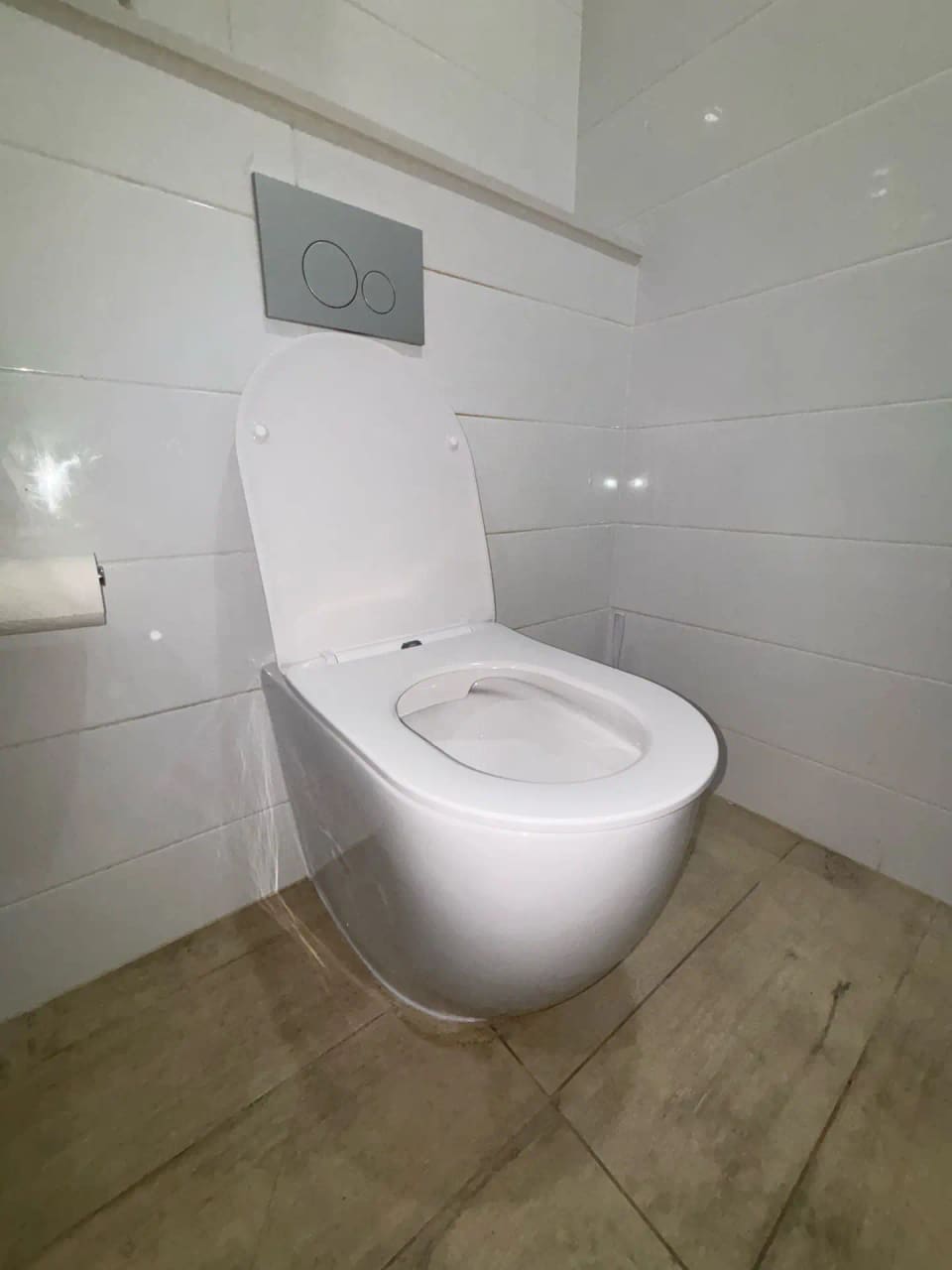
3 Test every toilet Once each bowl has settled, lay a small piece of dry toilet paper against the back of the bowl under the rim. A cistern should release nothing between flushes, so wet paper means that toilet is leaking.
Steps 4 to 6: the house and the garden
4 Walk the house with a torch Look under every sink and vanity, behind the toilets, around the washing machine taps and at the base of the hot water unit. Check whether the relief valve drain on the hot water unit is running when nobody has used hot water for a while. Look only, and leave the lever alone.
5 Take the toilets out of the test Close the small stop tap beside each toilet and repeat the meter test. If the dial now holds still, one of the cisterns is the leak, and the paper test will tell you which.
6 Check the garden side Run each irrigation zone on its own and walk it, looking for a sprinkler that dribbles after shutting off or a patch that bubbles. Check every garden tap for drips at the spout and the spindle, and look at the ground under them.
Steps 7 and 8: the hot water side and the service pipe
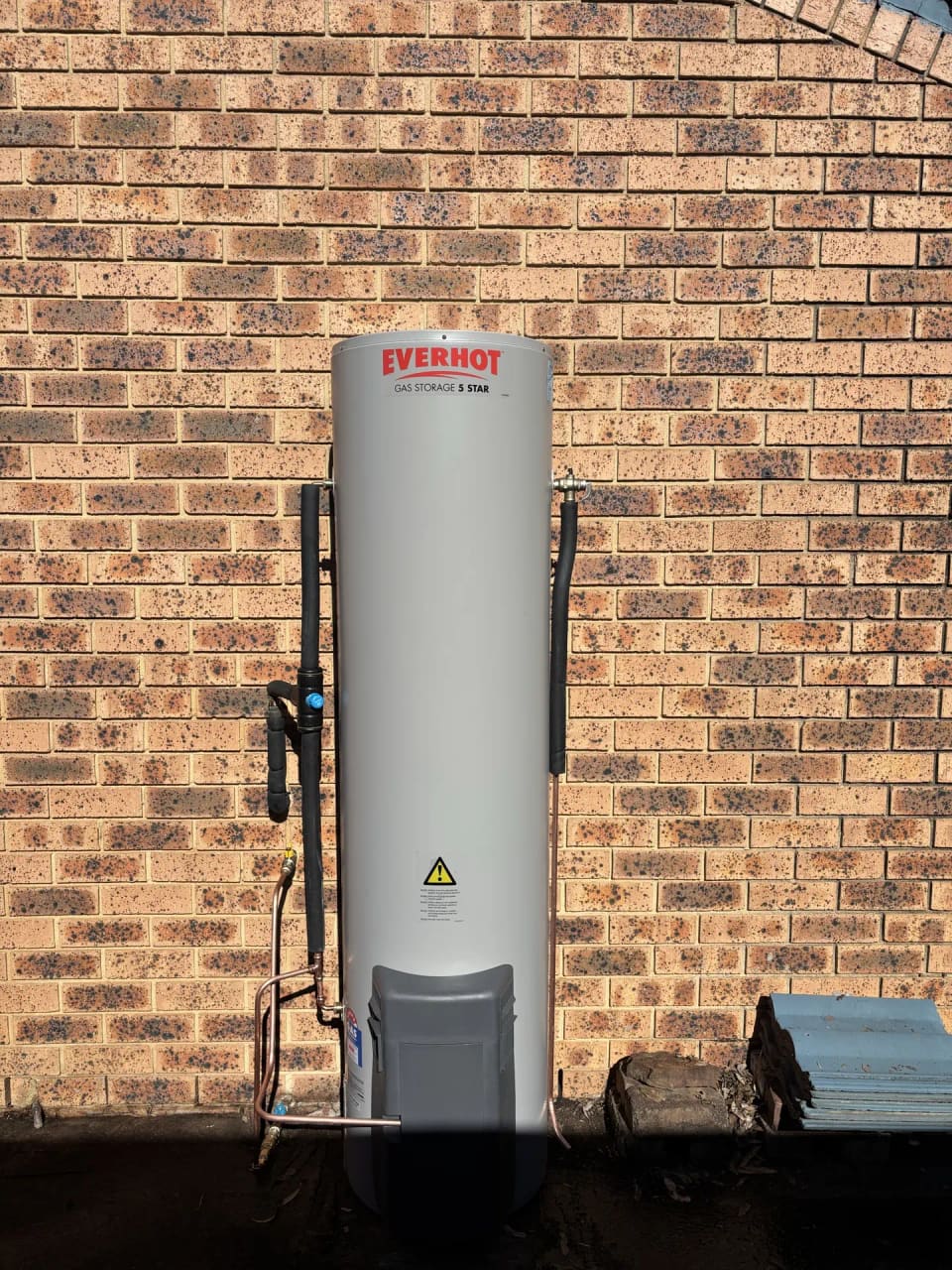
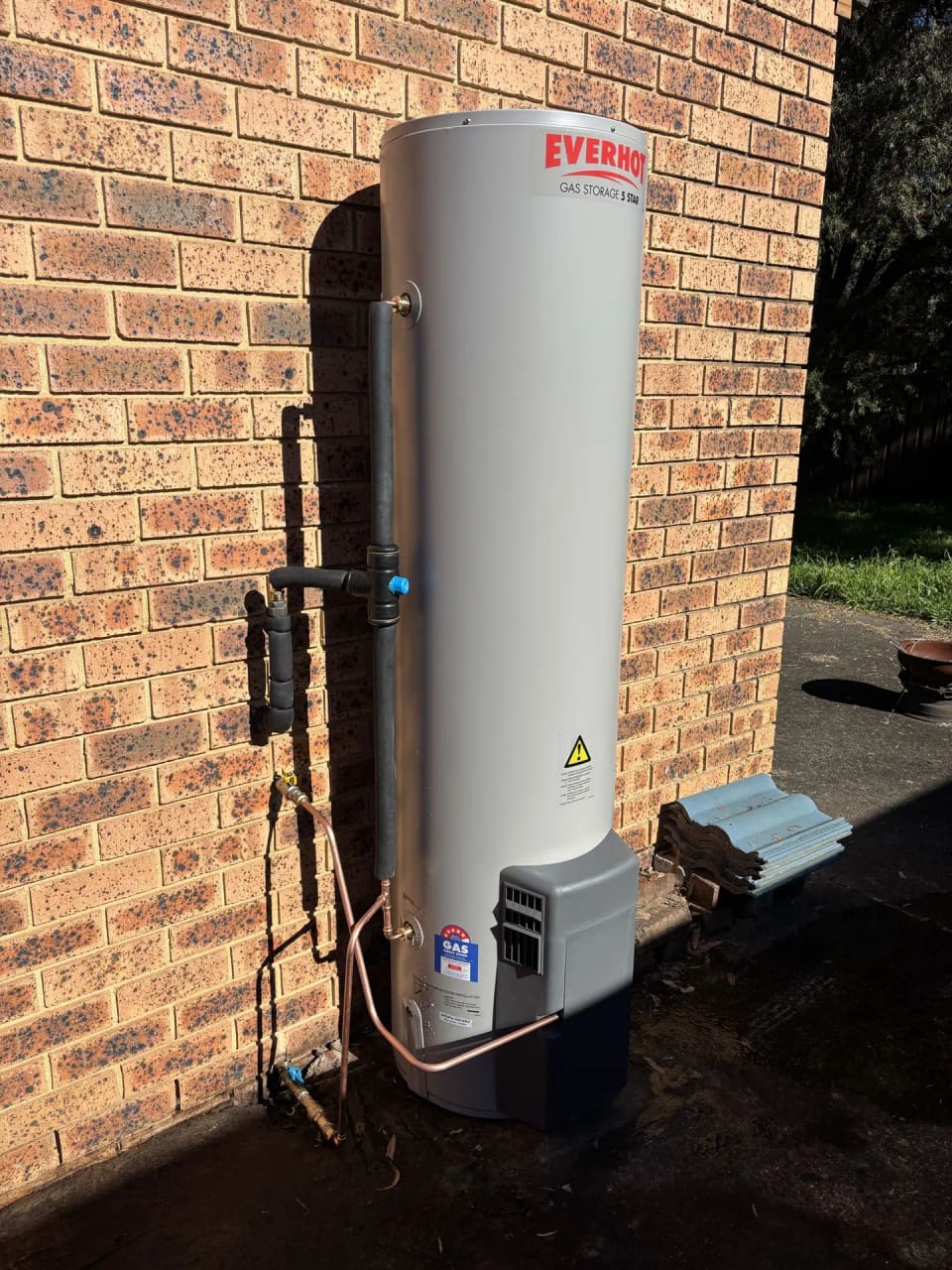
7 Isolate the hot water side Close the cold valve feeding the hot water unit and repeat the meter test. If the dial stops, the leak is on the hot side, which often means a pipe in a wall or under the slab.
8 Walk the line from the meter to the house Look for a strip of lawn that stays green or soft in dry weather, water sitting around the meter, a damp line along a path or driveway, or water at the kerb. The service pipe runs roughly from the meter to where the pipe enters the house.
When to stop and call
Stop tracing and call a plumber if:
The meter still moves with the toilets, irrigation and hot water all isolated.
A floor is warm underfoot or the hot water unit keeps running.
A wall or ceiling is damp, stained or bubbling with no fixture nearby.
Water is bubbling up in the yard or around the meter.
You can hear water running inside a wall with everything off.
Water is near power points, lights or the switchboard.
A plumber answers 24/7. We quote a fixed price before we start, and booked jobs get a $0 call-out.
Why the meter comes first
Every litre that passes your meter is charged to you, whether it went into a kettle or into the ground under the driveway. That makes the meter the most honest leak detector in the house. It does not care where the water goes, only that it is going. Before anyone looks under a sink or listens at a wall, the meter test answers the one question that matters: is water leaving the pipes when nobody is using it. This is the test Sydney Water itself recommends, and it is where every good leak search starts, including ours.
Reading the dial
Most household meters have a row of numbers that counts the water used, plus a smaller dial or pointer that turns with even a small flow. If you photograph the whole face before and after the test, you can compare it without having to remember anything. Keep the area around the meter clear of plants, mulch and pavers: Sydney Water asks for at least 30 centimetres of clearance all around it, and you will be glad of the room when you are kneeling there at night with a torch.
A plumber answers 24/7. We find the cause and put a fixed price in writing before we start.
What the result tells you
How much the meter moves is a clue in itself. A large change over an hour suggests something running hard, like a split service pipe, a broken irrigation line or a toilet inlet valve stuck open. A small change over a whole night is more like a cistern seeping into the pan or a dripping garden tap. If the dial did not move at all but you still have a damp wall or a high bill, your problem may be a drainage leak, such as a shower or a waste pipe, which only leaks while it is being used and never shows on the meter.
Shower, roof or pipe
Some leaks leave the meter still. A leaking shower wets the wall or ceiling next to it only when the shower runs. A roof leak turns up after rain. A cracked waste pipe leaks when the basin empties. The way to test those is one fixture at a time: run only the shower for a while, then check the damp patch; wait for rain and see if it grows. If the damp changes with one fixture, you have found your family of leak, and you can tell a plumber exactly what you saw, which makes the visit shorter.
When to stop tracing and call
Once the leak is inside a wall, under a slab or somewhere along a buried pipe, homeowner tracing has gone as far as it sensibly can. Sydney Water's own advice is that a large or hidden leak will probably need a plumber with specialist equipment. That is where acoustic listening gear, thermal imaging and tracer gas come in, to mark the spot before anything is opened. Guessing with a drill or a spade tends to add a second repair to the first. Bring your meter photos and what you found to the call, and it will save everyone time.