In more detail
The biggest single factor is whether the new pan suits your existing waste: the set-out distance and whether it drains into the floor or the wall.
A straight swap onto the same waste is usually a morning's work. Moving the waste or fitting an in-wall cistern is a bigger, multi-stage job.
Replacing a toilet is licensed plumbing work in NSW, and it ends with a Certificate of Compliance.
A side-on photo of your old toilet and one tape measure reading are enough for a plumber to tell you what you're in for before you buy.
The honest answer: it depends on five things
Anyone who quotes a toilet installation over the phone without asking questions is guessing. The price rests on the type of toilet, whether it lines up with the waste you already have, what's under the old one, who supplies the new suite, and how easy the room is to work in. Get those five clear and a plumber can give you a firm figure. At Champion, that figure is written down before any work starts, and it doesn't move once we begin.
What a typical installation includes
A plumber answers 24/7. We find the cause and put a fixed price in writing before we start.
How long it takes
When the new pan suits the existing waste, most swaps are finished in a morning, and in most homes the bathroom is back in use the same day. Back-to-wall pans take a little longer because the connection is hidden and has to be right first time. If the waste has to move, or you're changing from a floor outlet to a wall outlet, the job grows into drainage work and can take a day or more. A wall-hung toilet or an in-wall cistern is done in stages across a renovation: the frame at rough-in, then the pan and plate after the tiler, often weeks apart.
The measurement that decides everything
Measure from the finished wall behind the toilet, not the skirting board, to the centre of the waste pipe the pan sits on. That's the set-out. Then note whether the waste goes down into the floor or back into the wall. Every toilet on the market lists a set-out range and an outlet type in its specifications. If your measurement sits inside the range for the right outlet type, you're looking at the simplest, least expensive version of the job. If it doesn't, you're either choosing a different toilet or paying to move the waste.
What turns a swap into a bigger job
The surprises live under the old pan. Old mortar bedding that has to be chipped away, an earthenware or cast iron outlet that's cracked, or a soft timber floor from years of slow leaking all add work. None of them can be seen until the old toilet is off. When we find one, we stop, show you and price it before touching it, so the job never grows without you agreeing to it. On acreage properties where a toilet runs on tank water, there are extra rules around backflow to check as well.
Getting a firm price before anyone arrives
Send a side-on photo of the existing toilet, a photo of where the waste enters the floor or wall, the set-out measurement, and the make and model of the toilet you want. That's enough for us to tell you whether it's a straight swap. Coming out and having a look is free on a booked job, and you'll have the price in writing before anything is disconnected.
What changes the price
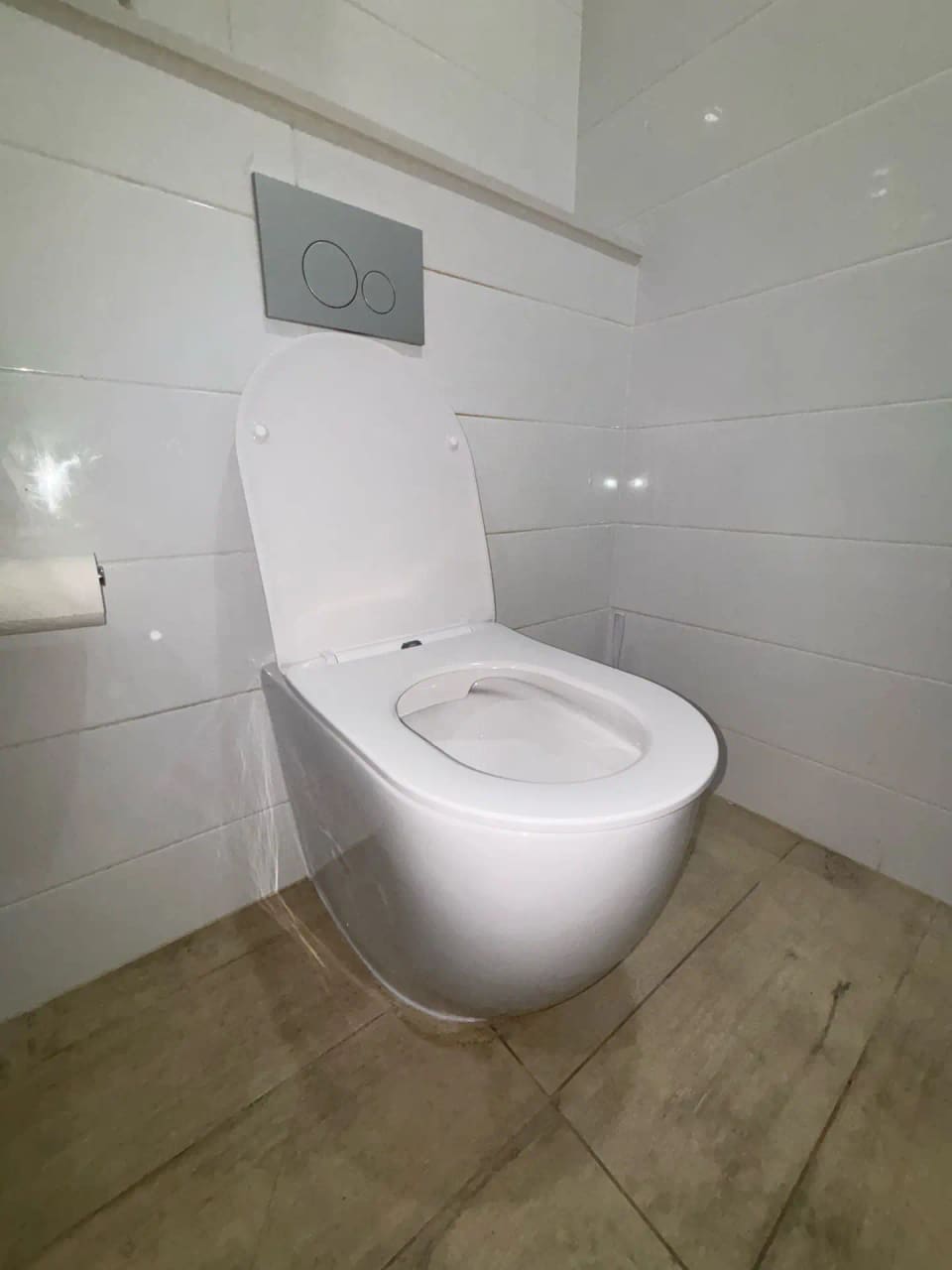
A close-coupled suite, with the cistern sitting on the pan, is the most straightforward to fit. A back-to-wall pan hides its connection, which takes more care, and a wall-hung toilet brings the wall and the tiler into it.
A pan whose set-out range and outlet type suit your existing waste is a straight swap. A mismatch means moving drainage or choosing a different pan.
Mortar bedding, a cracked old outlet or a soft floor adds work that only shows once the pan is lifted.
You can buy your own toilet or have your plumber supply one. The written price should say which, and exactly what's included.
Carting the old suite away, working in a tight room or carrying a heavy pan up stairs all take time, and belong in the written number.
Swapping a seized isolating tap, an old hose or a tired seat while the toilet is already off costs less than a return visit.
Get your price in writing. We price the job, not the hour, and there's a $0 call-out on any job you book.
More on costs & prices
How much does it cost to reseal a leaking shower?
What goes into the cost of resealing a leaking shower in Sydney, when a reseal is enough and when it isn't, and how to get a firm price first.
How much does an emergency plumber cost?
What drives the cost of an emergency plumber in Sydney: the hour, what failed, access, parts and whether a make-safe will do. The factors, without guesswork.
What a plumber's call-out fee covers, how it differs from the price of the job and from after-hours attendance, and what to ask before you book.